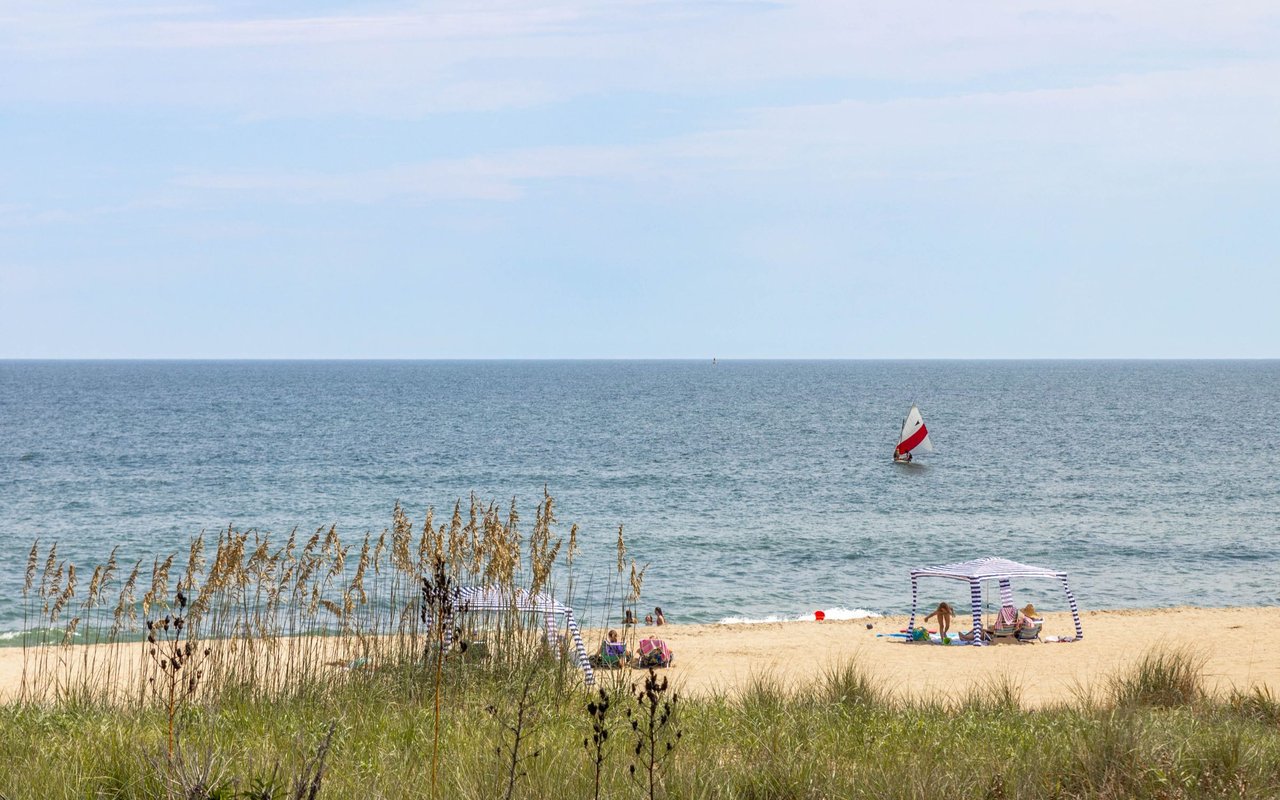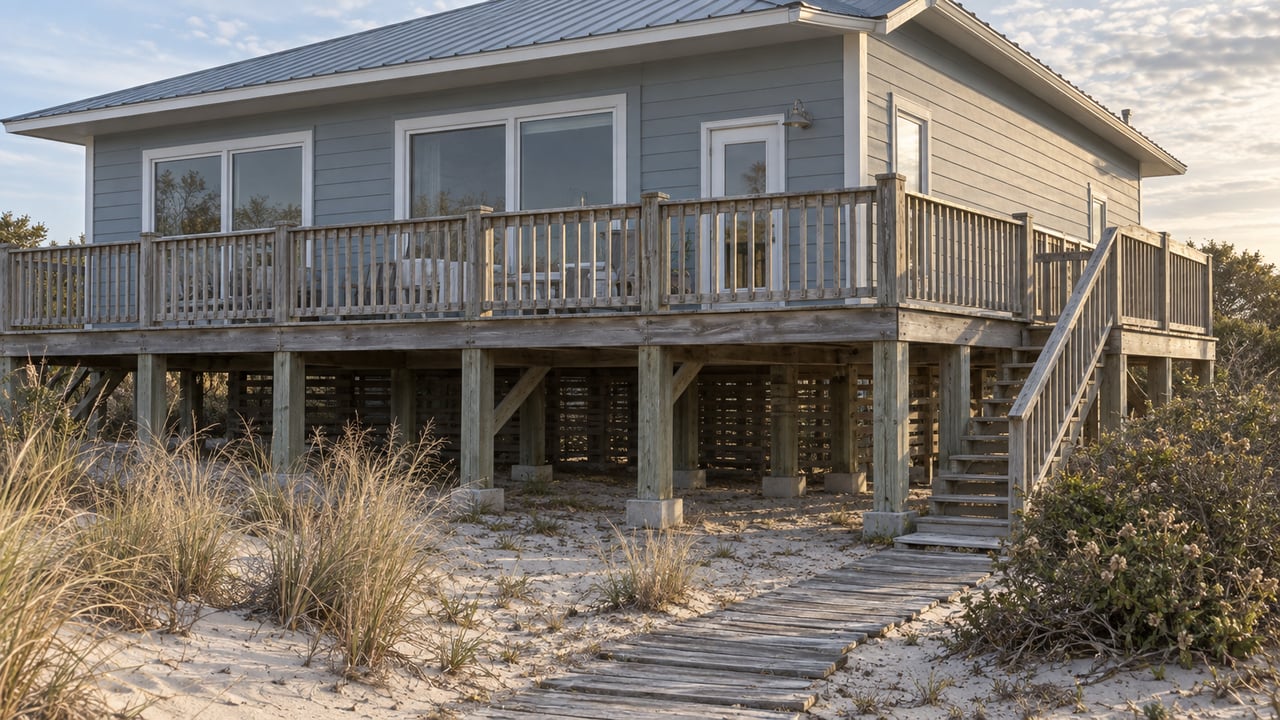
Right now, at the fee station off Sandpiper Road, the yellow envelope box still asks for five dollars. Night surf fishing permits for Back Bay National Wildlife Refuge went on sale in mid-September, good through the end of October. The refuge marked National Public Lands Day on September 26 with its gates open the way they've been since spring. None of that changes what happens on November 1, when a set of trail signs go up that quietly turn this stretch of Sandbridge into something else for five months.
The refuge sits at the very southern end of Sandbridge Beach, where Sandpiper Road runs out and the pavement gives way to sand and marsh. Between April 1 and October 31, driving in costs five dollars a vehicle. On November 1, that fee disappears. It's tempting to read that as an off-season discount, the kind of price drop that shows up anywhere foot traffic slows down. It isn't. The fee goes away because the refuge itself partially closes.
The Trails Close Because the Birds Need Them To
Back Bay National Wildlife Refuge was established in 1938 for one reason: to give migrating and wintering waterfowl a place to land. Everything about how the refuge operates in the colder months traces back to that original purpose. The East and West Dike Trails, the two interior routes that let hikers and bikers cross the refuge to reach neighboring False Cape State Park, close completely from November 1 through March 31. The refuge's own regulations are direct about the reason: the closure exists to minimize disturbance for wintering ducks, geese and swans.
That's the piece easy to miss if you've only ever visited in summer. The free admission isn't a slow-season perk. It's the tradeoff for losing access to two trails, handed to visitors in exchange for giving the birds room to rest undisturbed. The land isn't emptying out for winter. It's filling up, just not with people.
The Six Weeks Worth Watching the Sky
Refuge waterfowl numbers peak in December and January, when thousands of tundra swans and snow geese arrive alongside large numbers of Canada geese and a mix of ducks that includes gadwall, mallard, American black duck, bufflehead, northern shoveler and merganser. The swans and snow geese get most of the attention because of their size and their numbers, but they're not the only reason to look up. The refuge also draws less common winter visitors like the LeConte's sparrow, alongside the yellow-rumped warbler, which shows up in enough volume that regular visitors start to treat it as background noise.
None of this requires a boat or a guide. Much of it can be seen from the impoundments near the Visitor Center, the managed pools of water built specifically to hold birds through the colder months. What changes is the route you take to see it, because the shortest paths across the refuge are exactly the ones that close.
How You Actually Reach False Cape Once the Gates Shut
With the Dike Trails closed, the only way through the refuge to False Cape State Park between November and March is on foot or bike along the beach, or aboard the tram that runs between the two properties. The tram starts at the wildlife refuge parking lot, crosses into the state park for a stop at its visitor center, then continues to the site of Wash Woods, a former community now marked mainly by a cemetery and a church steeple reachable by an optional one-mile round trip walk from the tram stop.
That same tram route becomes the centerpiece of one stop on Virginia Beach's annual Winter Wildlife Festival, a citywide event held each January that includes wildlife viewing tours across several sites in the area. The Back Bay leg has run as the Blue Goose Tram Tour, a multi-hour guided trip through the refuge's marshes, grasslands and upland forest before finishing at the state park. Registration for the festival has historically opened in mid-November, not long after the Dike Trails close for the season, which puts the two events on roughly the same clock every year.
The One Trail That Never Closes
Not every path at Back Bay goes dark for winter. The Raptor Trail, a 0.4-mile route directly behind the Visitor Center, stays open year-round. It's formally named the Reese F. Lukei, Jr. Raptor Trail, after a longtime local volunteer and raptor researcher credited with building the refuge's original trail system and later helping other refuges around the country design their own. The trail runs through stands of bald cypress and freshwater marsh before reaching viewing platforms that look out over Back Bay itself, close enough to the impoundments that winter waterfowl are visible without ever crossing into the closed interior.
For anyone in Sandbridge looking for a short walk during the months when the longer interior routes are off limits, the Raptor Trail is the one still on the map. It's also a fitting spot to watch the same birds the Dike closure was designed to protect, since the platforms sit close enough to Back Bay to catch the swans and geese resting on the water.
Who Keeps It Running
Back Bay National Wildlife Refuge is federal land managed by the U.S. Fish and Wildlife Service, but a chunk of what happens on the ground, from environmental education to trail upkeep, runs through the Back Bay NWR Society, a volunteer nonprofit tied to the refuge. As of 2025, the Society has been raising money from community donors, regional foundations and corporate partners to build an outdoor classroom on refuge grounds, adding to a mission that already includes school programs and habitat work.
That volunteer layer matters more in winter, when the Visitor Contact Station itself runs on a reduced schedule. From November through March, the station is closed on Sundays in addition to its standing Monday closure, open 8 a.m. to 4 p.m. on weekdays and 9 a.m. to 4 p.m. on Saturdays. Staffed hours shrink at the exact moment wildlife activity is at its highest, which is part of why the Society's volunteer work and the annual tram tours carry as much weight as they do in keeping the place accessible to visitors during its busiest natural season.
The pattern underneath all of this is consistent. Every seasonal change at Back Bay, the fee, the trail closures, the shift in station hours, traces back to the same original mission from 1938: protect the birds first, and build public access around that. The refuge doesn't quiet down for winter. It reorganizes itself so the wildlife it was built for can take over completely, and the trails, the fee schedule and even the tram routes all bend around that one fact.
If you're settling into Sandbridge and want to know what else on the calendar shifts with the seasons, reach out to Sandbridge Life. We keep track of the rhythms that come with living here, not just the ones that show up on a listing sheet.
This article is general information, not legal, tax or financial advice. Consult a qualified professional about your situation.